
With its culturally rich cities, charming fjord-side villages, wonderfully wild countryside and dancing Northern Lights, visiting Norway is like entering another realm. There are many ways to experience this varied country, from weekend breaks to longer stays, and from road trips and hiking tours to urban adventures – discovering your own Norway is one of this magical country's great pleasures. The destinations featured below move broadly south to north through the country.
The best places to visit in Norway
Oslo
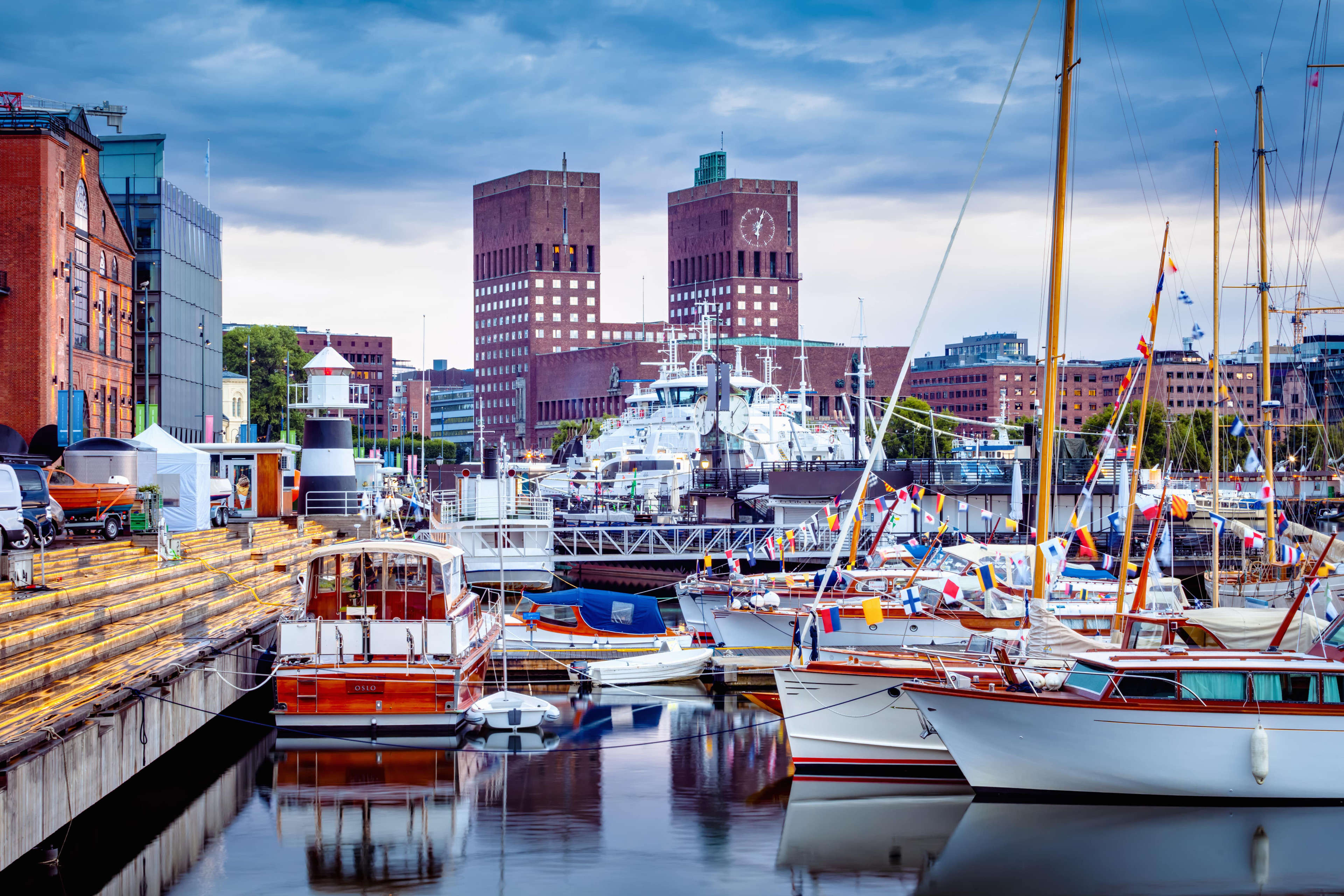
Vibrant Oslo's cultural riches make it an irresistible part of any trip to Norway (Photo: Getty Images)
Norway’s cultured capital, Oslo, is the natural place to begin your journey through the Land of the Midnight Sun. Begin your Oslo cultural adventure by immersing yourself in the city's new National Museum, which opened in June 2022 and is the largest art museum in the Nordic countries. Exhibitions include a room dedicated to legendary Norwegian artist Edvard Munch, including his masterpiece The Scream. The exhibits here, though, extend far beyond Norwegian art, showcasing Flemish masters, Chinese pottery, and the work of Grayson Perry, to name just a few. The National Museum is just the tip of Oslo's artistic iceberg. Dive into the contemporary art scene at the fantastic Astrup Fearnley Museet, home to work by homegrown artists such as Fredrik Værslev alongside such international leading lights as Damien Hirst and Jeff Koons. Stepping outside to the waterfront, admire the eye-catching creations of the Tjuvholmen Sculpture Park – Antony Gormley’s ‘Edge II’, a humanoid statue jutting out horizontally from the side of a wall, is especially impressive.
You can also further explore the work of Norwegian painter Edvard Munch and playwright Henrik Ibsen at the museums named after them – Ibsen’s occupies the writer’s old apartment.
One fun thing to do in Oslo is to take a dip or catch some rays at the Badeplass, the city’s public swimming baths in the Oslofjord. You'll likely be surrounded by locals rather than other tourists. The same goes if you pay a visit to the pretty botanical gardens or the up-and-coming Grünerløkka neighbourhood. Filled with brilliant cafés and bars – perfect for some people watching – Grünerløkka has a vibrant, creative atmosphere.
One of the best places to stay in town is the stylish Moxy Oslo X hotel, where the eye-catching neon-lit common areas are complemented by stylish rooms.
Stavanger
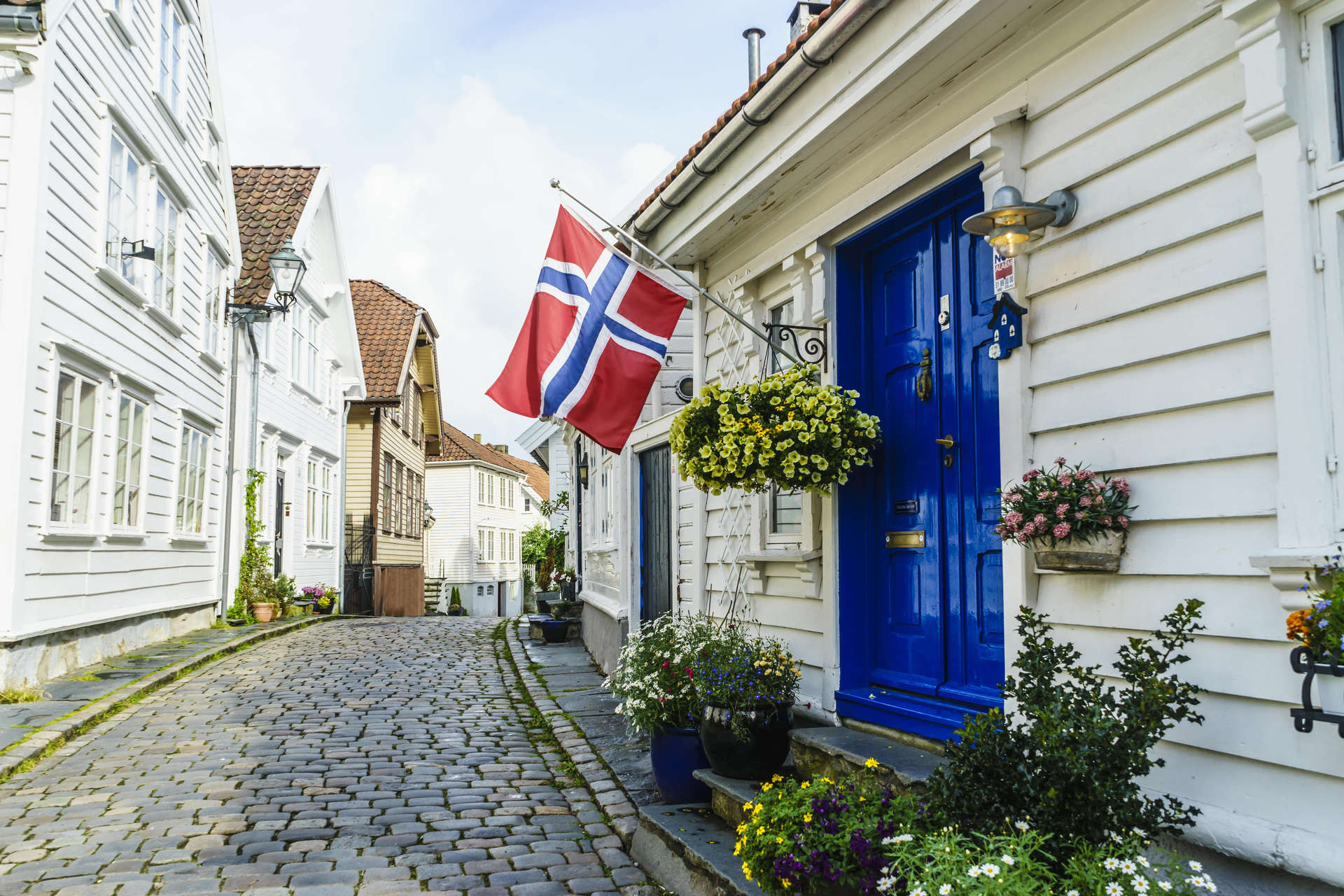
Stavanger's charming cobbled streets contribute to its small-town atmosphere, even though it's actually Norway's fourth-largest city (Photo: Getty Images)
Lying some three hundred and fifty miles west of Oslo, Stavanger enjoys the best of both worlds: a relaxed, small-town atmosphere, plus all the attractions you’d expect of a country’s fourth-largest city. There’s an impressive collection of galleries and museums to dive into, and the city’s association with street art gives it some urban clout – come in September for the annual Nuart Festival, which sees Stavanger’s buildings decorated by artists from all over the world.
Fargegaten (“Colour Street”), meanwhile, is a vibrantly painted feast for the eyes year round and makes a good anchor for explorations, as does Øvre Strandgate in Gamle Stavanger, the old town. This is the most atmospheric part of Stavanger, its cobbled lanes and wood-built warehouses testament to the booming nineteenth-century herring industry.
Bergen has the reputation as Norway’s ‘gateway to the fjords’, but Stavanger is just as valuable in this respect. The city makes a great base for visits to the magnificent Lysefjord, where the rightly popular Pulpit Rock (Preikestolen) juts precipitously out some six hundred metres above the fjord below. Stavanger is also a superb gastronomic destination. Scandinavia’s largest food festival, Gladmat, takes place here, and two of the city’s restaurants have been awarded Michelin stars. Make enquiries well in advance of your visit if you’d like to sample the culinary creations of RE-NAA or Sabi Omakase.
Flam and Balestrand
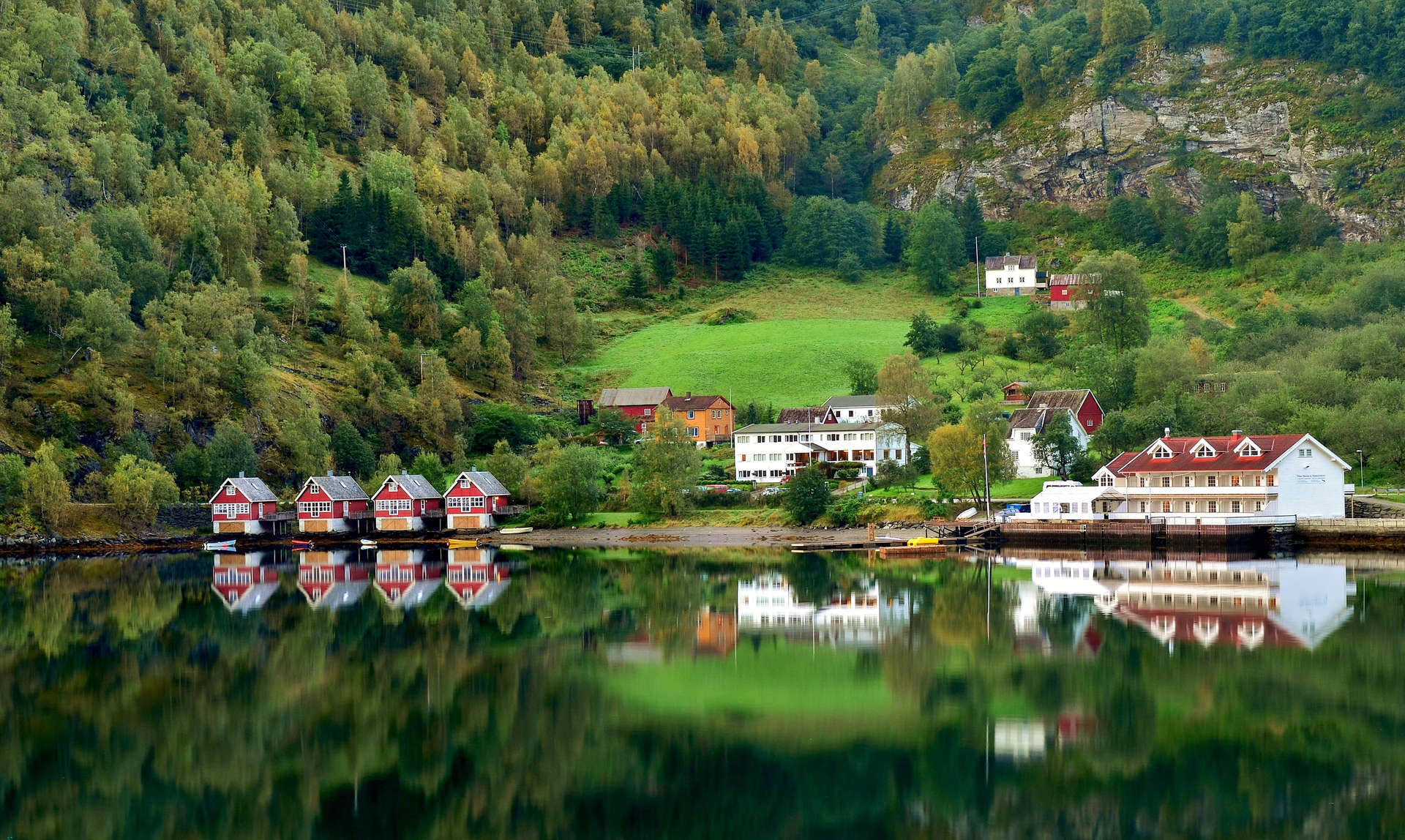
Pretty, laid-back Flam enjoys a perfectly picturesque waterside location and affords easy access to fjord experiences (Photo: Getty Images)
With wooden buildings clustered around the fjord shore against a backdrop of coniferous forest, the pretty village of Flam is well worth a stay. There are lots of great places to visit in this laid-back corner of the country, where the air is filled with the scent of ocean and pine, so give yourself time to linger if you can. You might pop into the informative Flam Railway Museum or stop off at Flam Bakery to enjoy a bagel or pizza while gazing out at the fjord. Next, take to the water itself as you board the ferry for the little town of Balestrand, another beautiful corner of the fjords region. The voyage takes under two hours, but you may not want it to end – it’s a wonderfully scenic experience, with the steep walls of the fjord rearing up from the icy water.
The beauty of this part of the world has long inspired artists, poets, and all manner of creative types from Norway and beyond. One of the waterfront villages you'll pass on the ferry between Flam and Balestrand is Undredal, a picturesque fishing village which is said to have been the real-life inspiration for Disney favourite 'Frozen'. Its tiny wooden stave church is the smallest of its kind still in use in Scandinavia.
North of here, across the mighty Sognefjord, lies the Jostedal Glacier – the largest glacier in Continental Europe. The ice fields and mountains are a magnificent sight on the drive north along the E39, while beyond the Jostedalbreen National Park lies the magnificent Geiranger. This photogenic village is home to grass-roofed wooden fishermen's cottages and some spectacular cascading waterfalls, all surrounded by fjord scenery which is among the finest in Norway. If you have a day or two to add to your itinerary here, it's well worth making the diversion north to Geirangerfjord.
Bergen
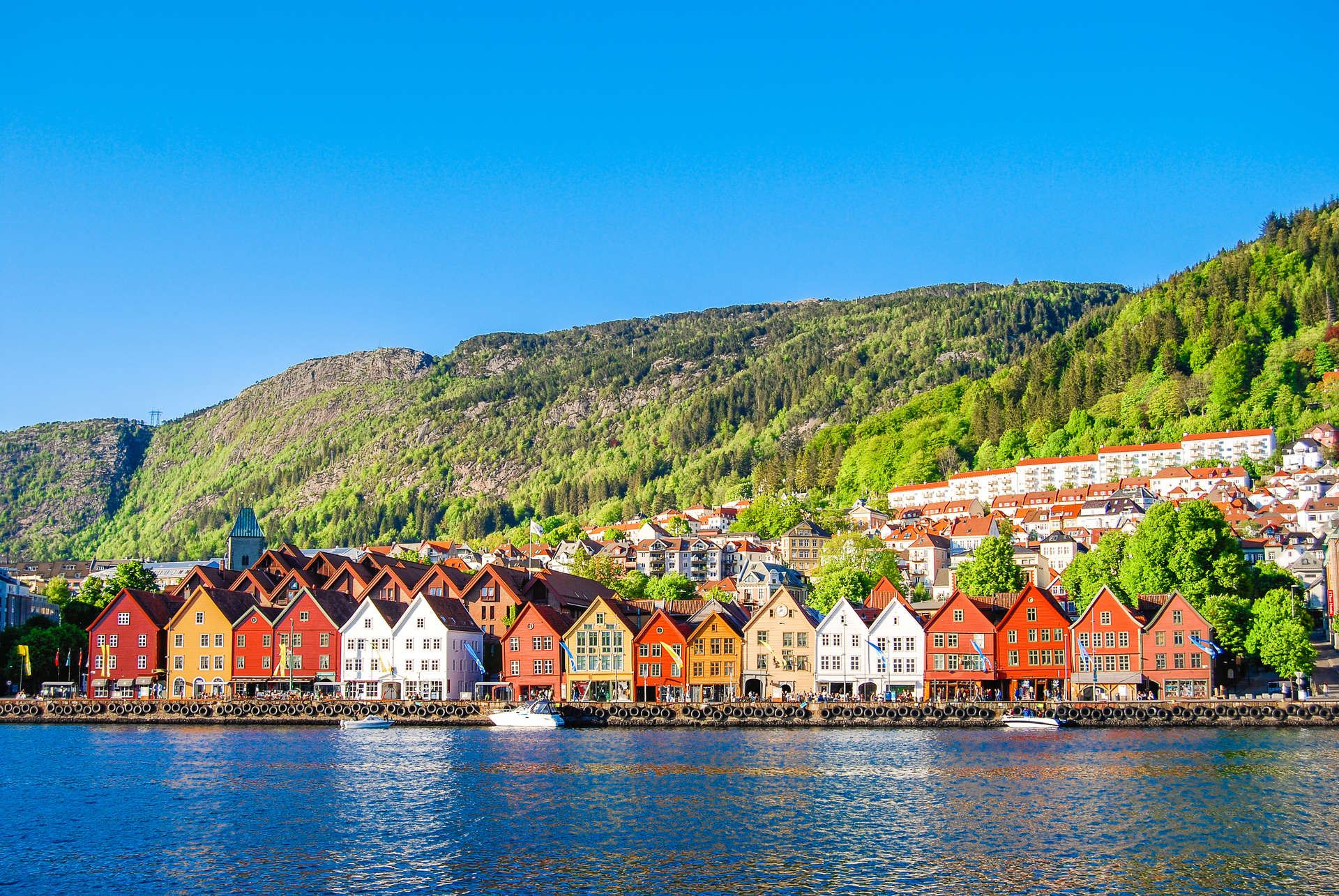
As well as being impossibly pretty, Bergen is a UNESCO City of Gastronomy (Photo: Getty Images)
Despite being Norway’s second-largest city and known as the ‘capital of the fjords’, Bergen has the atmosphere of a town, and its harbour, lined with pastel-hued houses, is impossibly picturesque. Get a feel for the city’s rich history in the medieval Bryggen neighbourhood, where colourful wooden houses line the old harbour, and head to the 800-year-old fish market to sample persetorsk, a delicious cured cod dish that has contributed to Bergen being listed as a UNESCO City of Gastronomy. Spend the night at the modern Moxy Bergen hotel, a picture of minimalist luxury right on the waterfront.
Kalvag
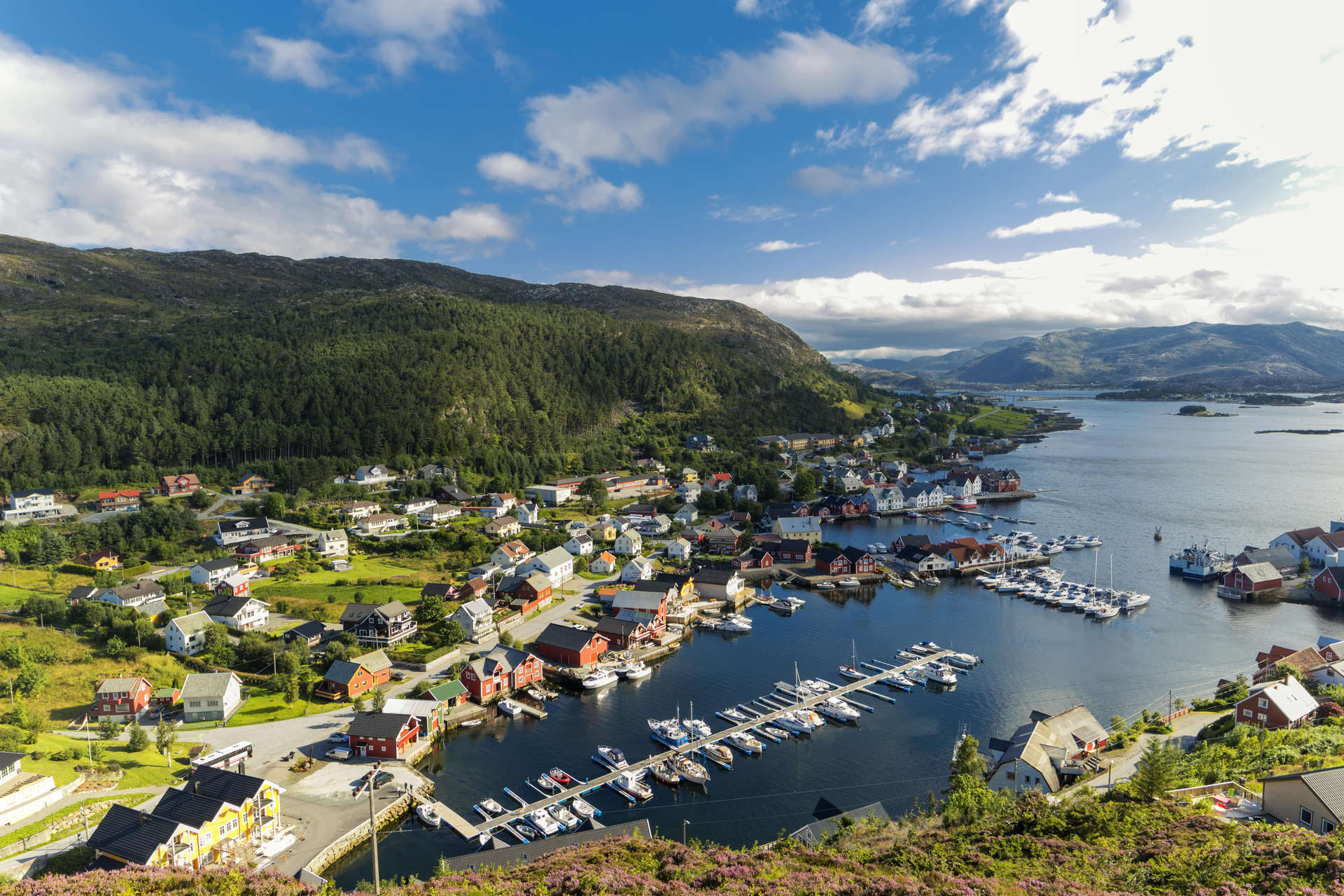
One of Norway's most charming fishing villages, the brightly painted wooden houses of Kalvag’s waterfront look just as they have for hundreds of years (Photo: Getty Images)
From Bergen, you can board a ferry to Kalvag, a historic fishing village on the island of Frøya, in one of the westernmost points of Norway. The brightly painted wooden houses of Kalvag’s waterfront look just as they have for hundreds of years, and this is considered one of the best-preserved old wharfs in the country. Gain an understanding of the industries which have long sustained the life of this area at the Vamrak Herring Saltery, now preserved as a folk museum, and then sample some of the village’s famous fish at Knutholmen Restaurant, overlooking the fjord – the crab is incredible.
The area around Kalvag merits further exploration, too. Stroll a mile north of the village centre to find Frøya Church, a traditional long wooden church dating back to 1865, then jump in a car or taxi for half-hour drive to the gorgeous white-sand beach of Grotlesanden.
Alesund
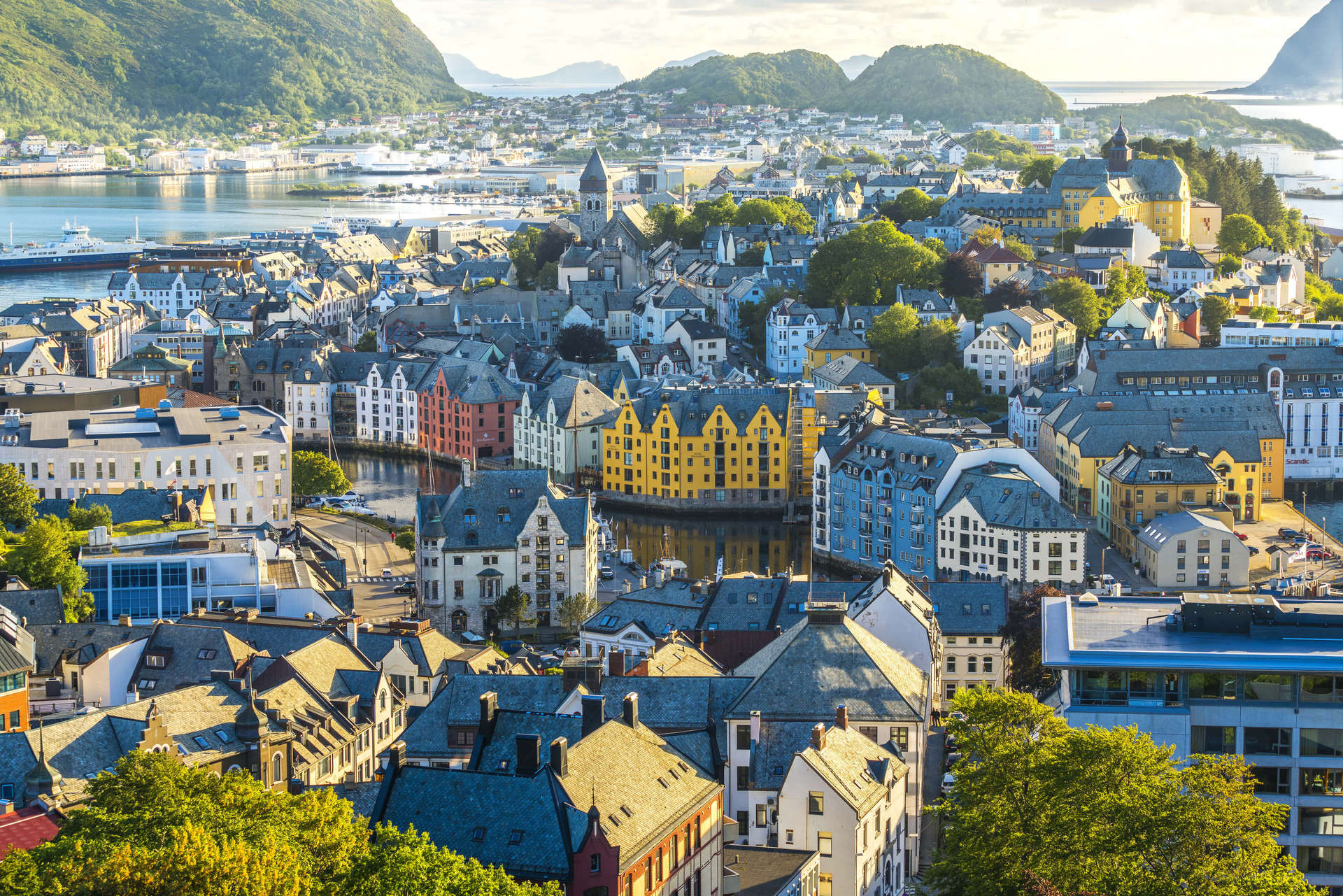
As a single town scattered across a number of individual islands, few places make such an arresting first impression as Alesund (Photo: Getty Images)
The low-rise buildings of Alesund huddle close together over a series of islands that together comprise the most significant settlement between Trondheim and Bergen. Few towns make such an arresting first impression, its visual impact only strengthened by Alesund’s relative architectural uniformity: the town was completely destroyed by fire in 1904 and rebuilt in the Art Nouveau (Jugendstil) style that was in vogue at the time. There’s a fine aquarium and a modest museum in town, but wandering at your own pace is Alesund’s greatest pleasure, with the Sunnmøre Alps a dramatic backdrop rearing up to the east and water never far from your feet. If you have the energy, stroll up to the town’s best viewpoint, Fjellstua, before refuelling with a steaming bowl of fish soup.
Alesund is the gateway town for the Sunnmøre region’s fjords, such as Hjørundfjord and especially the stunning Geirangerfjord. If you're heading further north from Alesund and have your own car, it's worth taking a trip along the Atlantic Ocean Road (Atlanterhavsveien). This impressive engineering feat allows you to drive five miles across an archipelago, by way of eight bridges, enjoying beautiful scenery the whole way.
Trondheim
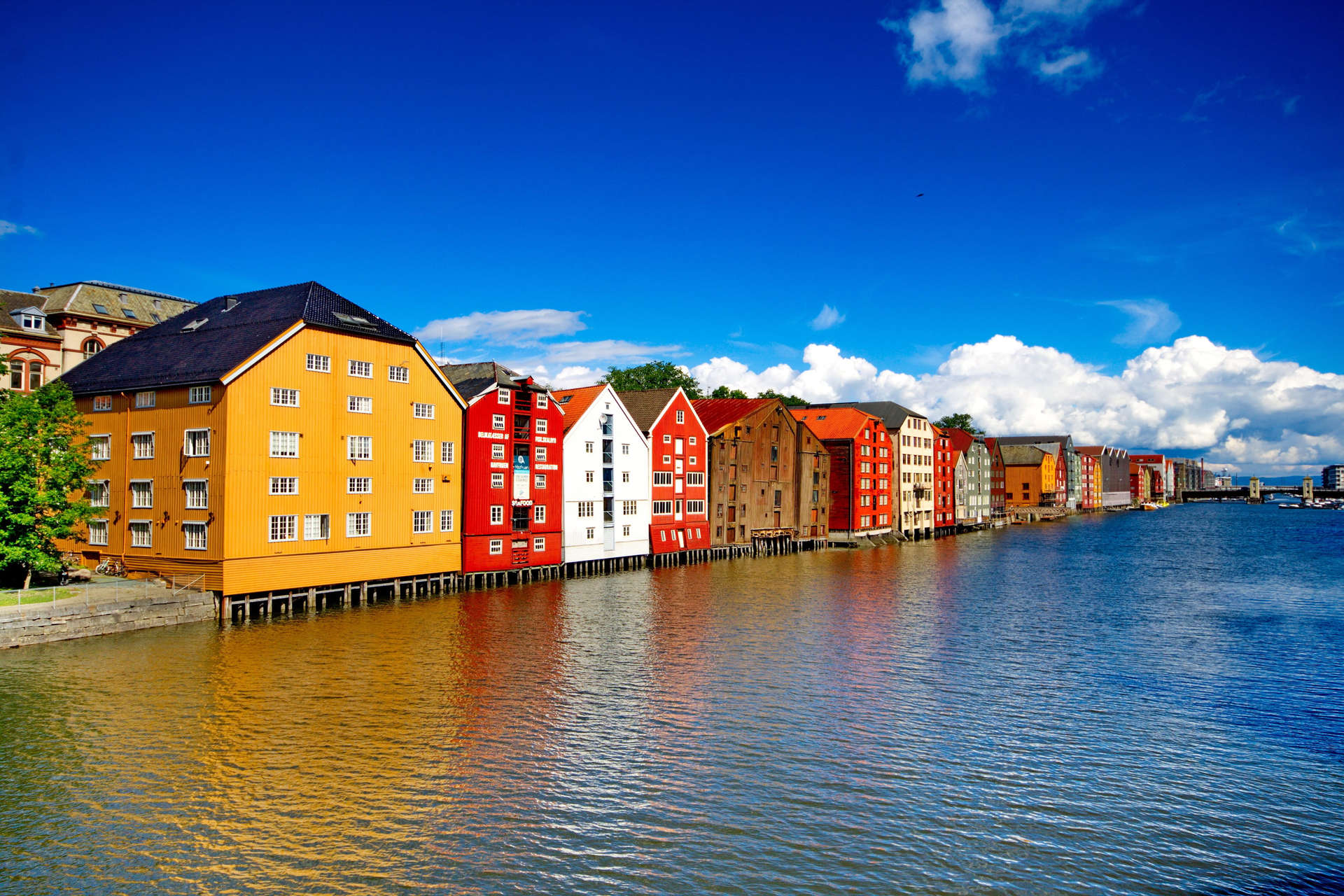
Trondheim's brightly painted Bakklandet quarter is both a feast for the eyes and the city's undisputed gastronomic epicentre (Photo: Getty Images)
As the country’s last major settlement before the Arctic Circle, Norway’s third city, Trondheim, does a fine job of providing you with a rich urban experience ahead of wilder adventures in the north country. There’s a real wealth of attractions here ranging from the historic to the deliciously gastronomic.
Trondheim’s cultural centrepiece is the magnificent eleventh-century Nidaros Cathedral, dedicated to St Olav. A stunning display of sculpture and stained glass, the cathedral’s west face is especially impressive. Those fond of museums are in luck, too. There are two with a musical theme alone – Ringve Museum is dedicated to musical instruments, while Rockheim explores Norwegian popular music – plus folk, maritime and art museums.
If it's people-watching and café culture you’re after, head for the bohemian, brightly painted Bakklandet quarter. This is Trondheim’s gastronomic epicentre, the focus of the city’s ever-growing reputation as a place of culinary excellence and experimentation.
Trondheim is best explored by bicycle, with extensive car-free areas and cycle paths. There is even a bicycle escalator, called ‘Trampe’, that draws cyclists up a steep hill. Swimmers are also well catered for, with opportunities for a dip in the local fjord when the weather is fine or, rather warmer, the country’s largest indoor swimming pool. You might also take to the water by renting a kayak for a paddle along the River Nidelva, or taking a fjord cruise.
North of the Arctic Circle: Bodø and the Saltstraumen, the Lofoten Islands and Tromsø
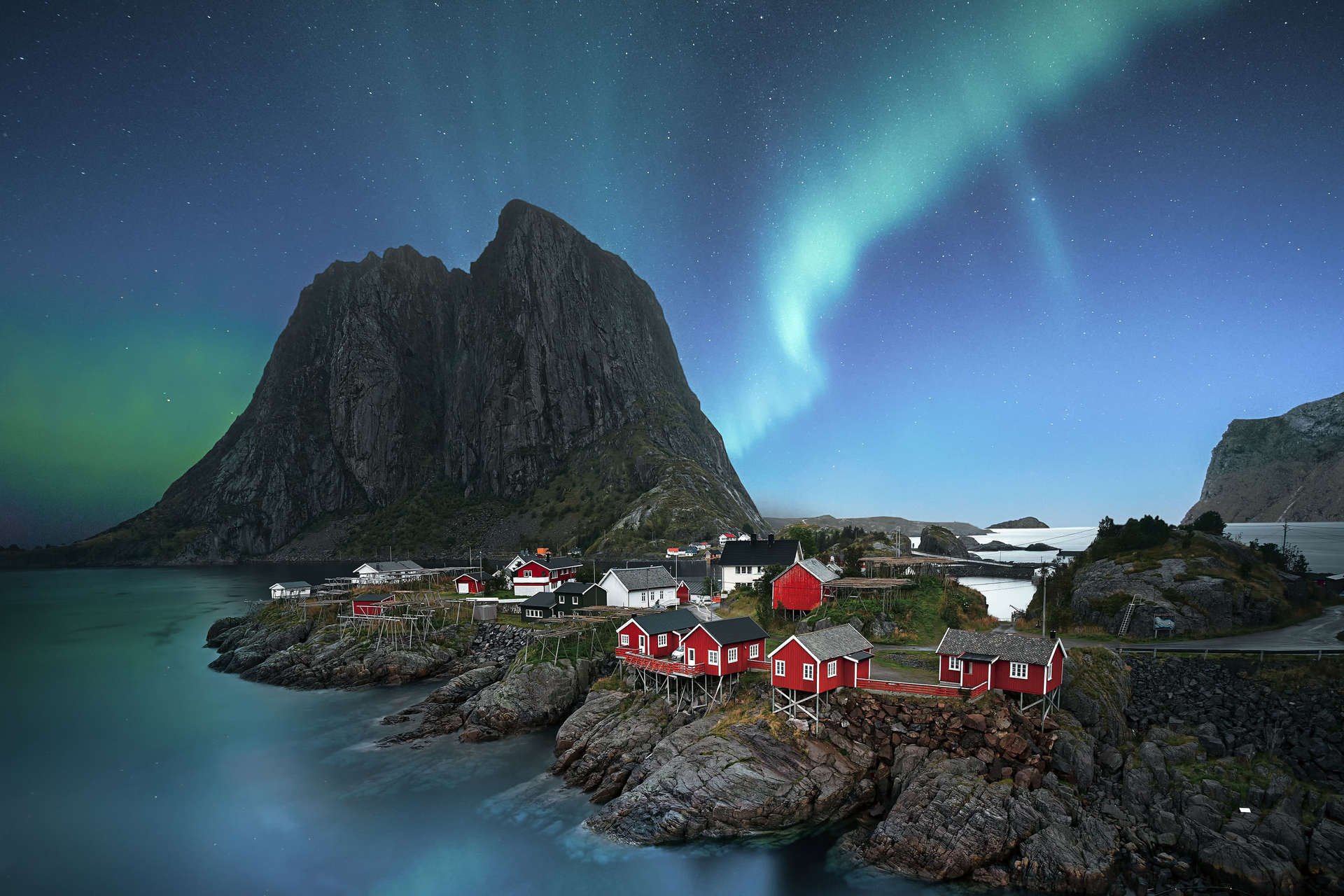
Some 700 kilometres north of Trondheim lies the town of Bodø. With its situation just north of the Arctic Circle, the midnight sun is visible here from June 2 until July 10. The town itself rewards a day or two's exploration – its modernist cathedral, featuring an unusual detached steeple, is well worth a look – but the main reasons to take Bodø as a base lie out of town.
Some six miles southeast of Bodø you’ll find the main one: Saltstraumen, a narrow strait through which some four millions cubic metres of water flows every day, creating one of the world’s most powerful maelstroms. The marine life here makes for great fishing, but you can also simply observe the incredible sight from land, or take a RIB boat tour.
A couple of hours’ drive out of Bodø, meanwhile, gives you the opportunity to tackle the Fykantrappa. These 1000 wooden stairs, reaching from the bottom to the top of a valley, were originally built by workers from the Glomfjord power plant but are now a popular tourist activity. The route is just over a mile long and ascends some three hundred metres.
Bodø can also be your base for trips to Lofoten. A shattered triangle of an archipelago jutting into the Norwegian Sea north of the Arctic Circle, the Lofoten Islands are one of Norway’s most magical destinations. The archipelago’s economy is, and has always been, squarely focused on fishing. You’ll see cod drying on wooden racks everywhere you wander – and wandering, soaking up the ambience, really is the best thing to do here. You might look at staying in one of the rorbuer (fishermen’s shacks) that are rented out to visitors. Whale watching is high on the agenda for visitors here, with killer and humpback whales passing through in the winter and sperm whales and porpoises visible during summer. On dry land, there's some magnificent hiking to be enjoyed from Bodø, with mountains easily accessible from the city – Keiservarden, a mountain plateau accessible by a moderate hike, is one of the most popular.
Much adventurous seafaring activity characterised Tromsø in the nineteenth and twentieth centuries, but these days it’s the unofficial capital of northern Norway and a place to visit for its bracing northerly atmosphere and dramatic setting of snow-capped peaks and fjords. Those interested in Tromsø’s adventurous past may like to peek into the Polar Museum, while the town’s Art Museum of Northern Norway has a remarkable collection. The Arctic-Alpine Botanic Garden, on a hillside near the university, is also well worth a visit – the northernmost botanic garden in the world, it brings together arctic and alpine plants including asters, rhododendrons, and campions, and is particularly beautiful during flowering season in the spring. Moxy Tromsø is the right place to help you tick that box off your bucket list that screams northern lights and midnight sun, reindeer and dog sledding, whale safaris and sami culture experiences.
What to eat and drink in Norway
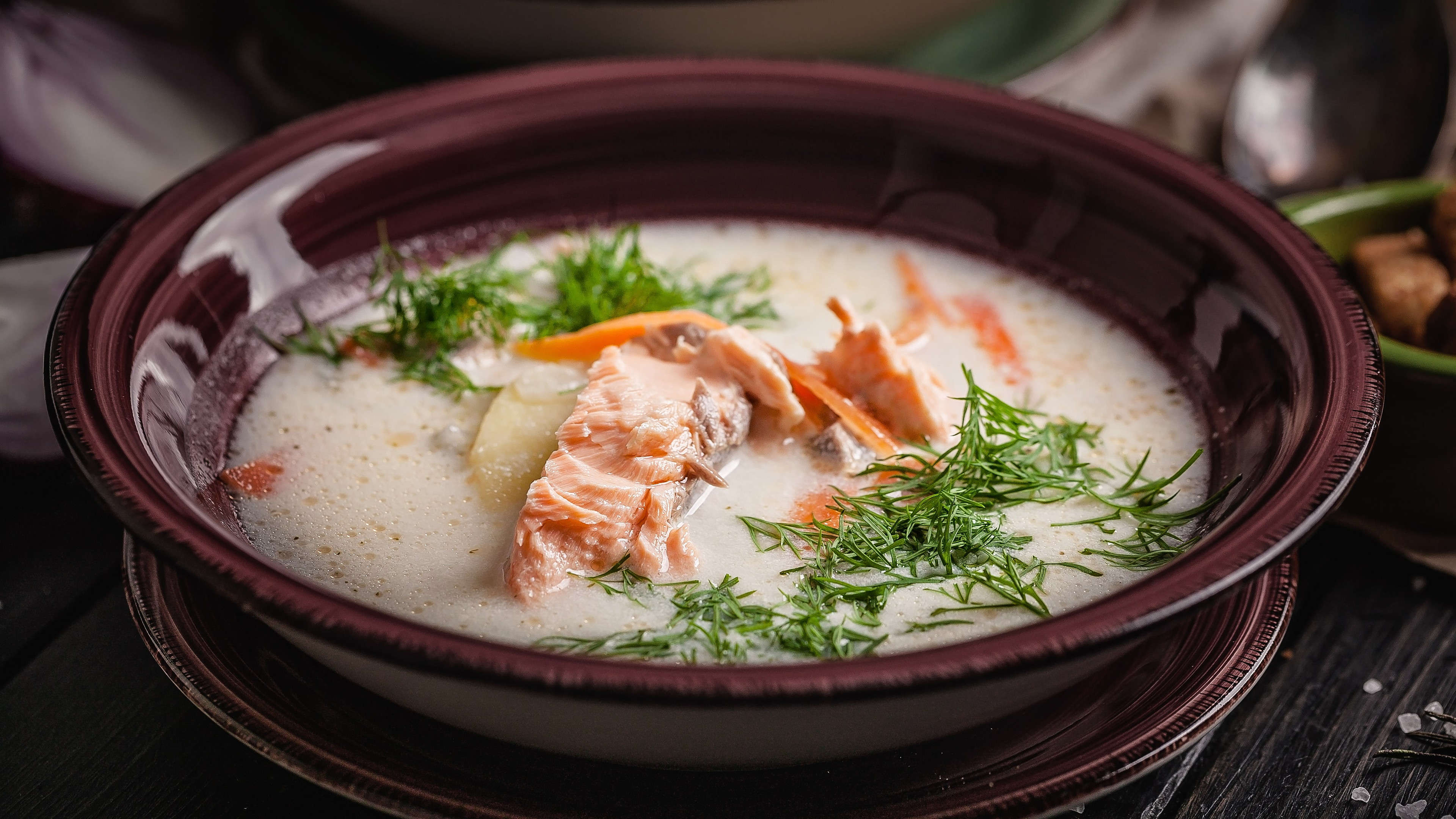
Norwegian cuisine is renowned for its fresh seafood, game meats and foraged countryside ingredients. The national dish is fårikål, a hearty stew of mutton and cabbage, while elgkarbonader – moose burgers – are often served with lingonberry jam. Seafood highlights include sursild – pickled herring, often served on rye bread – and Bergen's famous persetorsk. There are regional varieties of Norway's creamy fish and root vegetable soup – fiskesuppe – up and down the country. There's usually a mix of fish in the soup – cod, haddock, salmon and wolffish may feature – and if it only contains cod, it is called torskesuppe. The restaurants on the Lofoten Islands are especially good for fiskesuppe, while other local delicacies include stockfish, seaweed, and cod tongues – delicious!
When in Oslo, a great place to eat Norwegian delicacies is food hall Mathallen. One delicious dish to try is the wonderfully restorative soup of salmon, halibut and mussels served at Vulkanfisk. Other stalls here offer hearty grilled duck, Norwegian venison and sheep-meat sausages from the town of Voss. If you’d like to sample more traditional Norwegian dishes when in the capital, then head over to Den Glade Gris, where the juniper-smoked trout is rightly celebrated.
Top things to do in Norway

Whether you're experienced or just starting out, Norway is a great place to try watersports (Photo: Getty Images)
Bergen is the 'Capital of the Fjords', and the best place to base yourself for adventures into the region thanks to the ultra-comfortable and stylish Moxy Bergen hotel.
Bergen is a natural wonder, with seven hills hemming in the city inland, and seven fjords radiating from its harbour. Exploring the latter on a boat or kayak trip is always an option, but to get a bird’s-eye view of the area, board the Mount Floyen funicular, which takes you to the mountaintop in a matter of minutes.
An unforgettable day trip from Bergen is a tour to Folgefonna, a stunning plateau of ice where three glaciers meet. You'll be roped together with a small group and an experienced guide to explore the stunning icefields on foot, while taking in views of the North Sea, the fjords, and the peaks of the Rosendal Alps.
Also well worth exploring in this area is Balestrand, another historic fishing vlllage. Kayaking tours are a favoured activity here, as is hiking in the forests and hills – a network of trails criss-crosses the Raudmelen mountain, opening onto multiple viewpoints with stunning panoramas out over the fjords.
In summer, Tromsø offers excellent hiking; in winter, you can book dog-sledding trips. Taking the cable car to the top of Mount Storsteinen is another fun thing to do, particularly if you’re visiting between November and March, when seeing the Northern Lights is quite likely.
Hidden gems in Norway
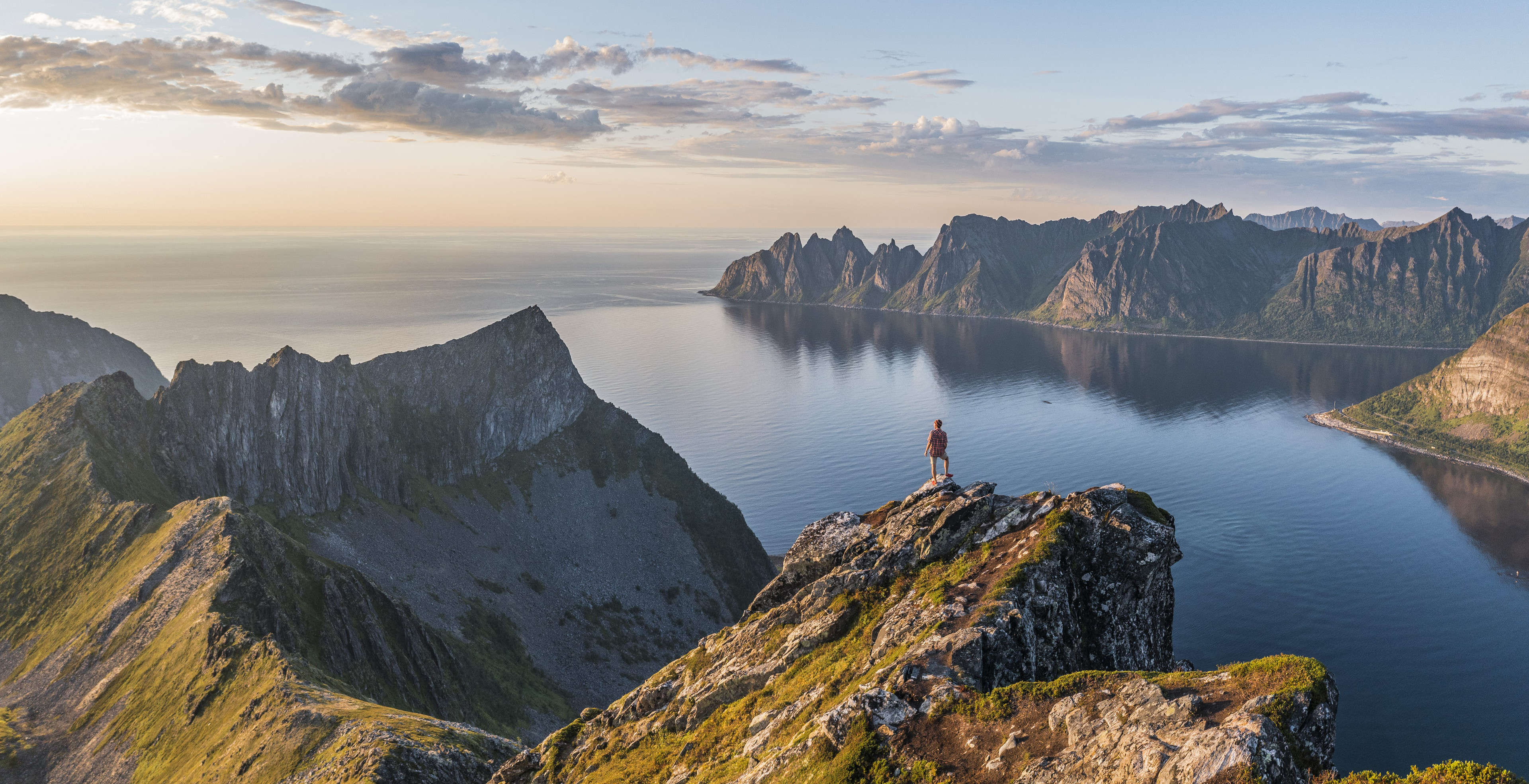
The stunning island chain of Bulandet is full of wonderfully wild and remote corners (Photo: Getty Images)
One of the most unique things to do in Norway is to board a boat to the stunning island chain of Bulandet, a wild corner of western Norway where just a few hundred people live in red wooden houses. Wildest of all is the island of Værlandet, where some fun things to do include cycling around and soaking up the peaceful atmosphere, or spotting wildlife on a guided tour.
Another island well worth a visit is Senja, Norway's second-biggest island, home to beautiful sandy beaches at Erstfjordstranda and gorgeous alpine villages like Målselv – you can even ski on Senja. Also in the north of the country is Reine, a stunning village in the Lofoten archipelago. Wooden fishing huts line the shore of this picturesque village, some of which you can stay in; the rocky islets emerging from the Norwegian Sea make up some of the most spectacular coastal scenery in Norway, and that's saying something.
Finally, one of the most charming spots to visit in the western fjord country is Undredal, where the rural atmosphere is compounded by the fact that goats outnumber people five to one. The brown goats' cheese, as well as the local goat sausage, are among the tastiest things you'll have the pleasure of eating during your time in Norway.
Go deeper
If raising a glass of beer or aquavit (the local spirit), be sure to do as the Norwegians do and shout 'skål' – the local equivalent of 'cheers'.

Published: October 07, 2024
Article Tags: Bergen , Norway


Related Articles

Copyright © 1996 - Marriott International, Inc. All rights reserved. Company Proprietary Information.